The Rise of Harmful Online Entertainment and What It Means for Our Communities
By Martha Ellison 8 min read

Entertainment has never been easier to reach. A phone in a pocket now holds more games, streams, videos and live events than any high street could ever offer, and for most people that's a genuinely good thing. It keeps friends in touch, brings culture into living rooms and gives people who can't easily get out a window on the world. But over the past three years, those working in communities across the North of England have noticed something else arriving through the same screens. It's a wave of online entertainment designed less to delight people than to hold on to them, and in too many cases to take their money.
The change has been gradual enough to be easy to miss. Games that once cost a single price now rely on endless in-app purchases and prize mechanics that look and feel like a slot machine. Short-form video feeds are tuned to keep thumbs scrolling late into the night. Live streams show people winning, or appearing to win, large sums on casino games. Adverts for betting and gaming sit alongside football highlights, music videos and children's cartoons. None of this is new on its own, but the scale, speed and sophistication have grown sharply, and the effects are increasingly visible in the places we work.
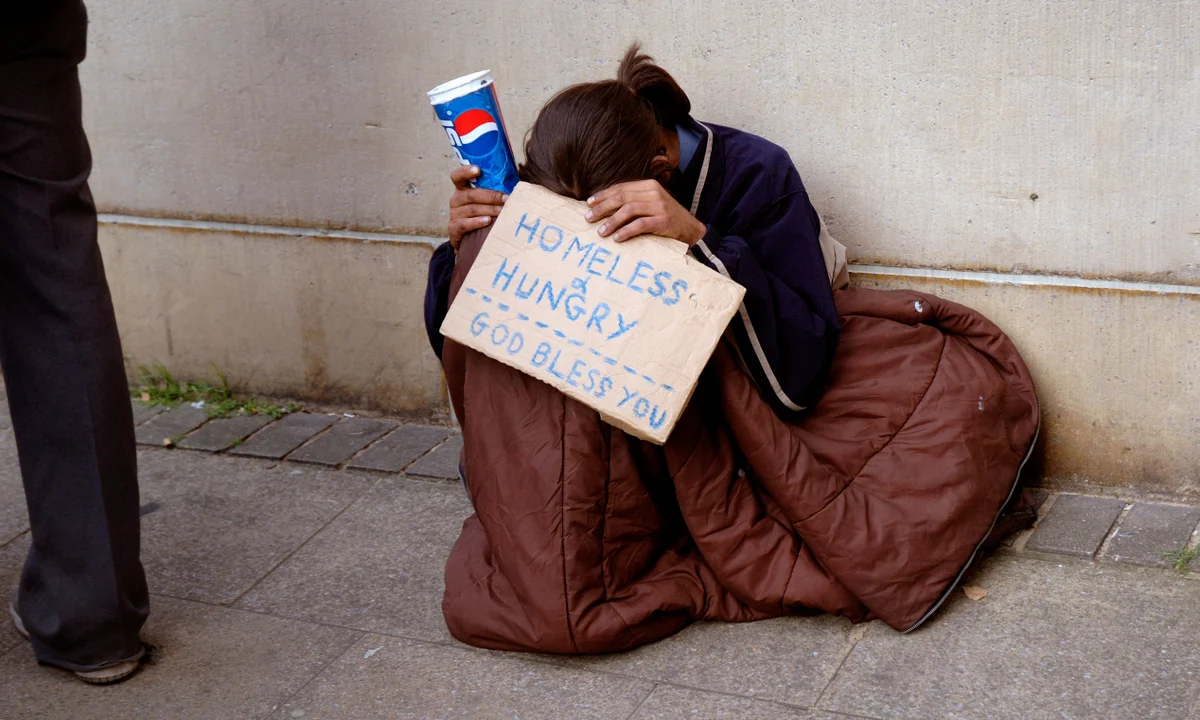
For organisations like ours, which support people who have been homeless, marginalised or vulnerable, this matters. Many of the people we meet are already juggling tight budgets, uncertain housing and the after-effects of difficult years. Entertainment that blurs the line between play and gambling, or that quietly drains a few pounds at a time, can tip a fragile situation into crisis. So it's worth understanding what has changed, why it's harmful and what families, friends and communities can do about it.
When games start to look like gambling
One of the biggest shifts has been the spread of gambling-style features into everyday games and apps. Loot boxes, prize wheels, mystery packs and "spin to win" rewards use the same psychology as a fruit machine: unpredictable rewards, near misses, bright lights and celebratory sounds that encourage just one more go. They are often paid for with virtual coins or gems, which makes it hard to keep track of how much real money is being spent. For younger players in particular, this can normalise the feeling of gambling long before they're old enough to do it legally.
Alongside these sit so-called social casino apps. These are free-to-download games that mimic slots, roulette and poker without paying out real money, but they sell coins to keep people playing. Because they're classed as games rather than gambling, they sit largely outside the rules that govern licensed operators. For some players they're harmless fun. For others, they're a gateway, building habits and expectations that move easily on to real-money sites when a tempting advert appears at the right moment.
Streaming and social media have amplified all of this. Influencers broadcasting casino sessions, betting "tips" accounts and videos promising quick wins from trading or crypto schemes reach huge audiences, many of them young. The content is often presented as entertainment, but it's designed to make gambling look easy, glamorous and profitable. That is a picture very few people who have experienced gambling harm would recognise.
Online casinos and the problem with offshore sites
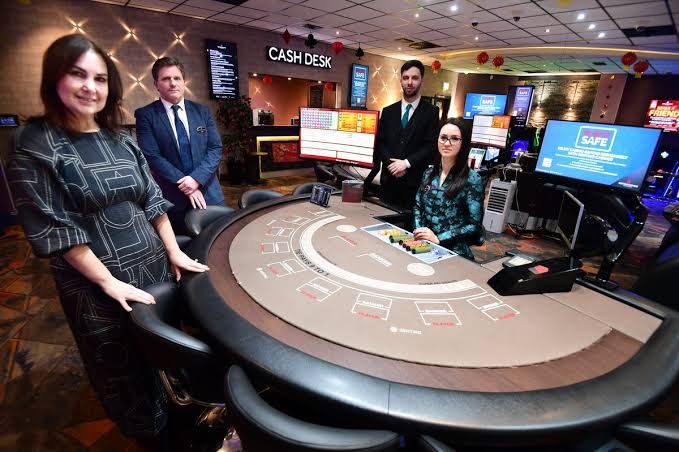
Real-money online gambling has grown alongside these trends. In Great Britain, gambling is legal for adults and the licensed market is tightly regulated. Operators that serve British customers must hold a licence from the Gambling Commission. They have to verify ages and identities, protect customer funds, offer deposit limits and time-outs, and connect to GAMSTOP, the free national self-exclusion scheme that lets people block themselves from every licensed site at once. In recent years, further protections have been added, including stake limits on online slots and a statutory levy that helps fund research, prevention and treatment. The system isn't perfect, but it gives players real safeguards and somewhere to turn when things go wrong.
The real concern is the growing number of British players who choose unlicensed offshore casinos instead. These sites are based overseas, often hold no licence recognised in Great Britain, and actively target UK customers with promises of bigger bonuses, fewer checks, cryptocurrency payments and no GAMSTOP restrictions. That last selling point is precisely what makes them so dangerous. They are often marketed directly at people who have self-excluded because they recognised they were struggling. They offer no meaningful protection: no reliable age checks, no affordability safeguards, no guarantee that games are fair and no independent body to complain to when winnings are withheld or accounts are suddenly closed. Because these operators pay no UK gambling duty and contribute nothing to the levy, money spent with them leaves the country entirely, instead of supporting public services and the treatment and prevention work that helps people affected by gambling harm. Choosing an offshore site may look like a way around the rules, but in reality it removes every safety net a player has.
The bonus that looks bigger is rarely the better deal. SlimKing Casino offshore site currently promises new players up to £13,000 in welcome bonuses, a figure no licensed British casino would put in front of customers. That isn’t because UK operators are less generous. It’s because British rules cap wagering at ten times the bonus and require terms that are clear and fair, so an offer like that simply couldn’t work. Offshore, those headline numbers come with wagering requirements of 40 times or more, strict limits on what you can withdraw and small print that lets the site void your winnings over a single bet. If they refuse to pay, there’s no British regulator or independent dispute service to turn to. A modest bonus you can actually withdraw is worth far more than a fortune you’ll never see.
The pull of these sites is easy to understand. Their adverts appear on social media, in search results and through affiliate websites that present them as exciting alternatives to "restricted" British brands. For someone who is already finding it hard to stop, a site that promises no limits can feel like a lifeline when it's actually the opposite. Recognising unlicensed operators and steering friends and family away from them is one of the most practical things anyone can do to reduce harm.
The impact on families and local communities
Gambling harm and other forms of compulsive online spending rarely affect just one person. Debts build up quietly, often hidden behind payday loans, borrowed money or missed bills. Relationships come under strain, sleep and work suffer, and the shame people feel can stop them asking for help until problems are severe. Support workers in our cities describe meeting people whose housing problems began with gambling debts, or whose recovery from homelessness was put at risk by a late-night spiral on a phone. Gambling is rarely the only factor, but it can be the one that turns a difficult situation into a crisis.
The effects ripple outwards. When money that might have been spent in local shops, cafés, cinemas and venues instead flows to anonymous offshore companies, high streets lose out. When people withdraw from friends and activities to keep gaming or gambling in private, communities lose out too. This is why the conversation about harmful online entertainment belongs not only in health and policy circles, but in every community where people care about each other.
There are also reasons for hope. Awareness of gambling harm is far higher than it was even a few years ago. NHS gambling clinics now operate in several parts of the country, including services for people across the North of England. Free, confidential support is available every day of the year, and more employers, schools and community groups are talking openly about the risks rather than treating them as a private matter.
Choosing entertainment that adds to life
None of this means turning our backs on screens. Online entertainment can be creative, social and fun, and many of the best gaming, streaming and music communities are welcoming, generous places. The goal is to choose entertainment that adds to life rather than takes from it. In practice, that means games without pay-to-win mechanics, platforms with sensible time and spending controls, and a healthy mix of online and offline activities.
For parents and carers, a few simple steps go a long way. Switch on spending controls and password protection for in-app purchases. Talk openly with young people about how loot boxes and social casino games are designed. Take an interest in who they follow online. For adults who choose to gamble, sticking to licensed British operators, setting deposit and time limits in advance and never chasing losses all help to keep it as entertainment rather than something more harmful. Anyone who feels it's getting out of hand can register with GAMSTOP, use bank gambling blocks offered by most UK banks and contact the National Gambling Helpline for free, confidential advice.
Communities can play their part too. Local venues, cafés, clubs and cultural spaces offer something online entertainment can't: real connection. Supporting a neighbourhood gig, a community kitchen, a five-a-side league or a local food festival keeps money in the area and gives people a place to belong. At The Create Foundation, we see every day how purpose, routine and good company help people rebuild their lives. You can find out more about the communities we work in on our Our cities page.
Where to find help
If you're worried about your own gambling or online spending, or about someone close to you, you're not alone and help is available. The National Gambling Helpline, run by GamCare, offers free, confidential support by phone and live chat 24 hours a day on 0808 8020 133. GAMSTOP provides free self-exclusion from all licensed British gambling websites and apps. Most high street banks offer gambling transaction blocks that can be switched on in their app. People experiencing more serious harm can seek specialist treatment through NHS gambling services, which accept self-referrals.
If gambling or debt has contributed to housing problems, speaking to your local council's housing team as early as possible can make a real difference. Charities that specialise in debt advice can help with negotiating repayments and protecting a tenancy. And if you or someone you know is ready to rebuild routine and confidence through training and work, our team would be glad to hear from you. You can refer someone to the Create Academy in just a few minutes or get in touch with us for a friendly, no-pressure conversation.
Harmful online entertainment has grown quickly, but so has our understanding of how to respond to it. By choosing what we watch, play and support with care, looking out for one another and steering people towards safe, regulated options and real-world connection, communities across the North can make sure entertainment remains what it should be: something that brings people together and makes life better.

Written by Martha Ellison